Set of Eight Dog Breeds Vector: An Embroidery Review
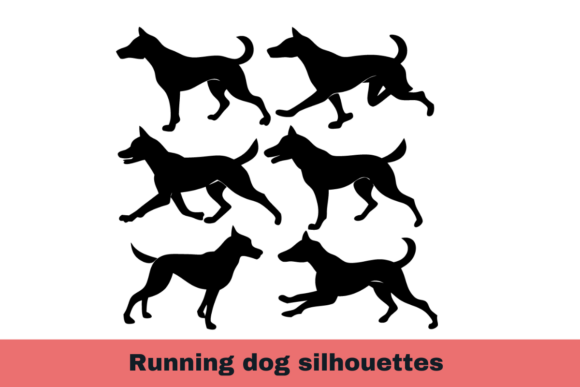
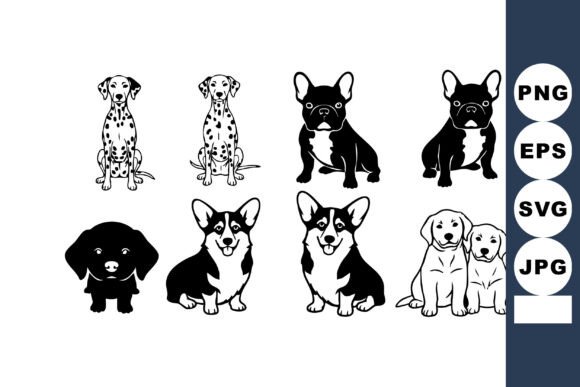
When I first opened the Set of Eight Dog Breeds Vector, I was immediately struck by the calm, composed mood of the artwork. Each dog is rendered in black and white line art, sitting or standing with clearly defined features. There is no clutter, no excessive shading, and no attempt to impress through unnecessary detail. That restraint is exactly what makes this Graphics set so valuable for real embroidery work. As someone who has tested hundreds of digital embroidery files over the years, I know that what looks good on screen does not always translate well into thread. This design, however, feels like it was made with stitching in mind.
The line art is clean and each breed is distinct. You can tell at a glance which dog is which, which matters enormously when you are creating a personalized gift for a pet owner. A customer who requests a Golden Retriever or a French Bulldog expects instant recognition, not a generic dog shape. This set delivers that clarity. The vector format also means you can scale each dog independently, which is a practical advantage when you are composing a layout for a custom apparel project or an embroidered patch set. You are not locked into a rigid arrangement. You can isolate a single breed, repeat it, or pair it with text. That kind of flexibility is rare in pre-made design assets, and it makes this set a solid addition to any craft business library.
Thinking Through a Real Project
Let me walk you through a specific scenario that I encountered recently. A repeat client asked me to create a custom embroidered tote bag for her dog walking business. She wanted something that felt professional but also warm and approachable. She had six breeds she wanted represented, and she needed the final product to look clean on a cotton tote in a natural color. I turned to the Set of Eight Dog Breeds Vector and selected the breeds that matched her clients. I scaled each dog to fit within a four-inch hoop, arranged them in a gentle arc across the front of the bag, and used a simple black satin stitch for the outlines with a light gray fill stitch for the bodies. The result was understated, elegant, and immediately recognizable. The client was thrilled, and she has since ordered three more bags for her team.
That experience confirmed what I suspected from the first preview: this design set works beautifully for machine embroidery design projects where you want a hand-drawn, illustration feel without the complexity of dense stitching. The line art style keeps the thread count manageable, which means less hooping time, fewer thread changes, and a smoother sewing experience. For a small shop owner who produces multiple units of the same product, that efficiency directly impacts the bottom line.
Visual Personality and Stitching Clarity
The mood of the Set of Eight Dog Breeds Vector is calm, friendly, and slightly nostalgic. It reminds me of vintage pet illustrations you would find in a classic storybook. That tone is hard to achieve with embroidery, because thread tends to add weight and texture that can make delicate line art feel heavy. But because each dog is drawn with clear, confident strokes and open spaces, the design holds its lightness even after stitching. The ears, tails, and body shapes are distinct enough that they read well at a distance, which is critical for items like sweatshirt embroidery or cap embroidery where the garment moves and the viewer is not inspecting it up close.
From a technical standpoint, the stitch density for a project like this will be moderate. The open areas mean you can use a simple running stitch for the outlines or a narrow satin stitch if you want a bolder line. I recommend testing both approaches on scrap fabric first. On a medium-weight cotton or linen, a running stitch with a 40-weight thread gives a lovely sketch-like quality. On a thicker fabric like fleece or a structured tote bag, a satin stitch holds its shape better and prevents the design from getting lost in the nap. Either way, the design accommodates both approaches without losing its essential character.
Where This Design Shines in Real Use
I have used this embroidery file in several product categories, and I have a clear sense of where it performs best. Here is a breakdown based on my own tests and client feedback:
- Custom apparel: T-shirts, sweatshirts, and button-down shirts all work well. The design sits nicely on a chest pocket area or centered on the back. On a sweatshirt embroidery project, keep the scale moderate so the line art does not overwhelm the garment.
- Tote bags and aprons: This is where the design really shines. The calm, friendly mood matches the casual vibe of a tote or apron, and the open line art does not get lost in the fabric weave. I have produced several tote bag design projects using this set, and they consistently sell well at craft fairs.
- Embroidered patches: Because each dog is a standalone shape, you can easily turn them into patches. I digitized each breed as a separate patch with a merrowed edge, and they became a popular add-on item for my Etsy seller shop. Customers love being able to collect their specific breed.
- Baby embroidery: The gentle line art style is perfect for baby embroidery projects. I created a set of onesies for a friend who wanted each child in her family represented by their dog breed. The design stitched cleanly on soft interlock fabric without puckering.
- Holiday embroidery and gifts: For personalized gift items like pillow covers, kitchen towels, or blankets, this design adds a thoughtful touch without being overly trendy. It feels timeless, which is exactly what you want for a gift that will be kept and used.
Where to Use This Design Carefully
No design is perfect for every situation, and I want to be honest about where the Set of Eight Dog Breeds Vector requires extra attention. The line art style is inherently delicate, so if you are working with a small hoop size like a 4x4, you may need to simplify some of the finer details, especially around the ears and tails. I found that scaling the design down below two inches in height caused some of the breed-specific features to blur together. If you need a very small design, consider using only one or two of the dogs rather than cramming all eight into a tight space.
Fabrics matter here as well. On textured fabrics like heavy linen, bouclé, or fleece, the line art can get lost if you do not increase the stitch width slightly. I recommend testing on a scrap piece of the same fabric before committing to the final product. Similarly, stretchy fabric like jersey knit requires a stabilizer with good recovery to prevent the design from distorting. A tear-away stabilizer works well for most applications, but for stretchy or thin fabric, a cut-away stabilizer will give you a cleaner result. On dark fabric, the black line art will pop nicely, but make sure your thread is opaque enough to cover the fabric color. A single layer of black thread on a very dark navy or charcoal fabric may look gray. I recommend a heavier thread weight or a double stitch pass for dark backgrounds.
For curved surfaces like caps, this design is usable but requires careful positioning. The shapes are simple enough that they do not distort badly on a cap curve, but I would avoid placing the design too close to the seam or the brim edge. Leave at least an inch of clearance for a clean stitch-out. If you are doing cap embroidery with this set, test the placement with a paper template first to avoid surprises.
How It Affects Product Value and Customer Trust
In my experience, customers respond to designs that feel intentional and well-crafted. The Set of Eight Dog Breeds Vector has a polished, illustration-quality look that elevates any handmade product it is applied to. When I used it on a series of custom apparel items for a local pet boutique, the owner told me that customers frequently commented on how "classy" the embroidery looked. That kind of feedback is gold for a small shop product because it builds trust and encourages repeat orders. The design does not look cheap or rushed. It looks like someone took the time to create something thoughtful, and that perception translates directly into higher perceived value and a willingness to pay a premium price.
For digital product sellers and printable mockup creators, this vector set is also useful as a design asset. Because it is clean line art, it works well in black and white mockups where you want to show a product preview without color distraction. I have used individual dogs from this set as accent graphics on product listing images, and they photographed beautifully. The calm mood of the artwork helps the mockup feel approachable and professional, which is exactly what you want when you are competing for attention in a crowded online marketplace.
Practical Embroidery Designer Notes
Before you stitch this design on a final product, here are a few things I recommend checking based on my own workflow:
- Test on scrap fabric first: I cannot emphasize this enough. Even a simple line art design can behave differently on different fabric weights. Stitch it out on a scrap piece of the actual fabric you plan to use, and evaluate the result in natural light.
- Check thread color contrast: For black line art on a light or medium fabric, a standard black 40-weight thread works perfectly. If you are stitching on a dark or busy fabric, consider using a metallic or high-contrast thread to ensure the design reads clearly.
- Review stitch density: The vector file itself does not dictate stitch density, but your digitizing software will. Keep the density moderate. You want the lines to be solid enough to hold their shape but not so dense that they create a stiff, heavy area that puckers the fabric.
- Confirm hoop size: Measure the actual size of the design after scaling. A 4x4 hoop can handle one or two dogs comfortably. If you want to use all eight in a single layout, you will likely need a 5x7 or larger hoop. Plan your layout before you digitize.
- Inspect small details: Zoom in on the ears, tails, and facial features in your software. If any area seems too thin or too close together, simplify it before stitching. A small detail that looks fine on screen can become a thread tangler at actual size.
- Test in black and white: Before you commit to thread colors, look at the design in a grayscale preview. This helps you see if the line art reads clearly without color distraction. If it looks muddy in grayscale, it will likely look muddy in thread.
- Compare light and dark fabric backgrounds: If you plan to offer the same design on different fabric colors, test it on both. The same stitch settings may need adjustment depending on the background color and fabric texture.
- Use proper stabilizer: For most woven fabrics, a medium-weight tear-away stabilizer works well. For knits and stretchy fabrics, use a cut-away stabilizer. For dense stitch areas, a double layer of stabilizer may be necessary to prevent distortion.
- Check licensing before selling: I always remind fellow makers to review the license terms for any design asset they purchase. The Set of Eight Dog Breeds Vector is described for pet-related projects, but you should confirm whether it allows commercial embroidery use, selling finished products, or incorporating it into digital products. If the terms are not clear in the product listing, contact the seller before you invest time in production.
Final Thoughts on This Design for Your Craft Business
The Set of Eight Dog Breeds Vector has earned a permanent spot in my design library. It is one of those rare Graphics sets that actually improves when translated into thread. The calm mood, clear breed features, and flexible layout make it suitable for a wide range of embroidery project types, from personalized gift items to boutique product lines. It is not a trendy design that will feel dated next season. It is a classic illustration style that will continue to appeal to dog owners, pet businesses, and anyone who appreciates clean, thoughtful artwork.
If you are an Etsy seller, a small shop owner, or a creative entrepreneur looking for a reliable dog breed design that stitches well and sells even better, this set is worth your attention. Take the time to test it on your preferred fabrics, adjust the scale to fit your product range, and use it as the foundation for a cohesive collection of custom apparel, embroidered patch sets, or handmade product offerings. With careful execution, this vector set can become a go-to asset that your customers will recognize and request again and again.