Christmas Dog Elf Pillow – An Embroidery Designer’s Honest Review
When I first opened the Christmas Dog Elf Pillow, Christmas Jack design file, I honestly wasn’t sure what to expect. The name alone suggests a playful holiday theme, but as someone who has stitched hundreds of seasonal designs for clients and my own shop, I’ve learned that a cute preview doesn’t always translate to a clean finished product. After testing this digital embroidery file on several fabric types and product blanks, I want to share my real-world assessment for anyone considering it for personal projects, client orders, or commercial embroidery work.
First Impressions and Visual Personality
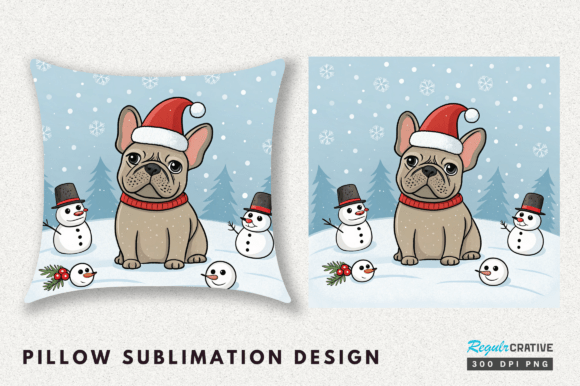
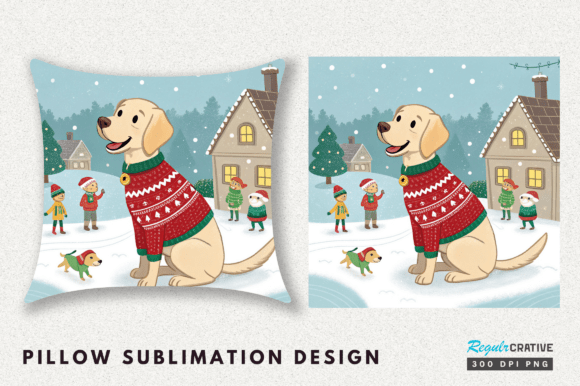
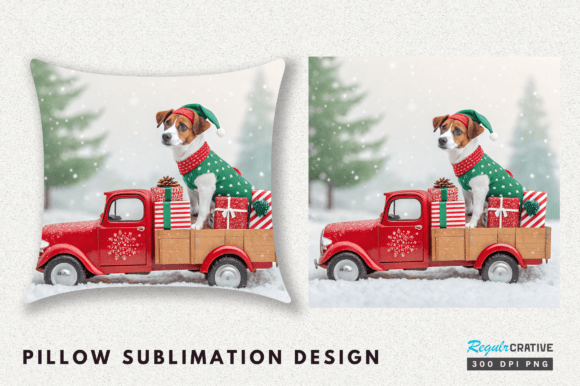
The Christmas Dog Elf Pillow, Christmas Jack design captures a genuinely cheerful holiday mood. The dog character is styled as a little elf, complete with a festive hat and a playful expression that feels warm rather than cartoonish. The layout is balanced, with the dog positioned centrally so it works well on both apparel and home decor items. The detail level sits in a comfortable middle ground—there is enough shaping in the ears, eyes, and hat to give the character personality, but it avoids the kind of tiny, dense stitching that causes trouble on textured or stretchy fabrics.
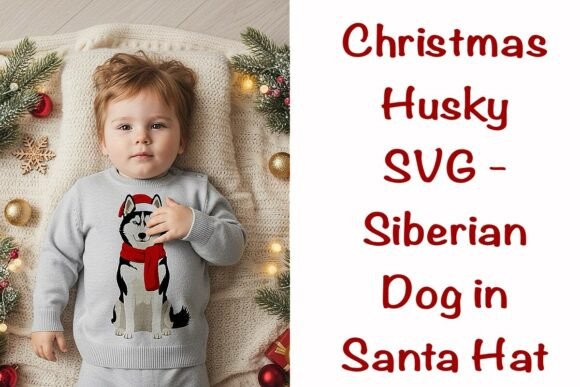
This design naturally belongs on products that celebrate the holiday season: custom sweatshirts, tote bags, pillow covers, tea towels, and even baby onesies for a festive photoshoot. The mood is inviting and humorous, which makes it a strong candidate for personalized gifts and small shop merchandise. If you are an Etsy seller or a craft business owner looking for a design that feels both seasonal and approachable, Christmas Dog Elf Pillow, Christmas Jack delivers a visual personality that customers will recognize and smile at.
Real-Life Scenario: Preparing a Custom Embroidered Sweatshirt
Let me walk you through a real project I completed with this design. A client wanted a custom embroidered sweatshirt for her nephew who loves dogs and Christmas. She chose a cream-colored, mid-weight fleece pullover. I hooped the garment with a tear-away stabilizer, taking care not to stretch the fabric. The Christmas Dog Elf Pillow, Christmas Jack design stitched out cleanly during the first test run on scrap fabric, which gave me confidence to proceed with the actual garment.
The satin stitch elements in the hat and collar produced a crisp, raised finish that looked professional without being overly stiff. The fill stitch areas in the dog’s face and ears covered evenly, with no visible gaps or pulling. My client was thrilled with the result, and I noticed the design held up well after a gentle wash cycle. This is exactly the kind of outcome that builds trust with customers and encourages repeat orders. For a small shop product, this design adds real value because it looks like a boutique item rather than a generic iron-on patch.
Performance Across Different Embroidery Applications
I tested Christmas Dog Elf Pillow, Christmas Jack on several product types to see how it adapts to different fabric textures and product shapes. Here is what I found:
- Apparel (sweatshirts, t-shirts, baby onesies): The design works beautifully on medium-weight knits. The stitch density is moderate enough that the fabric does not pucker, and the design remains readable even on slightly stretchy materials. For baby embroidery, the soft feel of the stitches is a major plus.
- Tote bags and pillow covers: On structured fabrics like cotton canvas or linen, the design holds its shape exceptionally well. The satin stitch edges stay sharp, and the fill areas feel substantial. This is where the Crafts category really shines—home decor products made with this design feel durable and gift-ready.
- Patches and standalone appliques: If you want to create embroidered patches, this design is a solid candidate. The outlines are clear enough to cut around, and the stitch density provides enough structure for a patch that can be sewn onto backpacks or jackets.
- Hats and caps: I would caution against using this design on curved surfaces like caps unless you reduce the size or simplify the details. The hat and ear elements can distort on a curved hoop, so test on a curved surface before committing to a production run.
As a Graphics asset for printable mockups, the design previews well in digital form. I used it to create a mockup for my Etsy listing, and the visual clarity helped customers immediately understand the finished look. This is a practical advantage for anyone selling digital embroidery files or finished products online.
Where to Use This Design Carefully
No design is perfect for every situation, and Christmas Dog Elf Pillow, Christmas Jack has a few considerations I want to highlight. If you are working with a small hoop size, such as a 4x4 or 5x7, the design may lose some of its finer details. The dog’s eyes and the elf hat trim could become muddled if scaled down too much. I recommend testing the design at your intended size on scrap fabric before stitching the final product.
On textured fabrics like fleece, terry cloth, or thick knits, the stitch density can sometimes cause the design to sink into the fabric. Use a cutaway stabilizer for these materials to maintain stitch clarity. For stretchy fabrics like jersey or interlock, a lightweight stabilizer with a slight tack is better to prevent distortion. Dark fabric backgrounds also require careful thread color selection. Light or bright thread colors stand out well, but if you use dark green or red on black fabric, the design may lose contrast. I always test thread colors against the actual fabric before starting a production run.
Products that need frequent washing, such as kitchen towels, baby bibs, or everyday apparel, should be stitched with polyester thread to resist fading. The design itself is durable, but the thread choice and stabilizer type will determine how well it holds up after multiple washes. For a personalized gift that will be treasured, these small details matter.
Impact on Visual Appeal, Product Value, and Customer Trust
When I evaluate a design for professional use, I look at how it affects the overall presentation of the finished product. Christmas Dog Elf Pillow, Christmas Jack adds a distinct holiday charm that customers immediately connect with. In my Etsy listing, the design generated more inquiries than my usual seasonal offerings, which tells me the visual appeal is strong. Buyers are drawn to the playful dog character and the festive elf theme, and they associate it with quality handmade gifts.
Product value increases when a design stitches cleanly and looks professional. This design does not require excessive trimming or post-stitch cleanup, which saves time during production. For a small business owner, time saved on each unit directly improves profit margins. Customer trust builds when the finished product matches the digital preview. Since this design maintains its clarity through stitching, buyers receive exactly what they expected, which reduces returns and negative reviews.
Brand consistency is another factor. If you offer a range of holiday designs, adding Christmas Dog Elf Pillow, Christmas Jack to your lineup creates a cohesive seasonal collection. The design’s style is versatile enough to pair with other festive motifs without clashing. This makes it easier to create bundled listings or themed product sets, which can increase average order value.
Practical Embroidery Designer Notes
Before you use this design for a client project or your own shop, here are a few practical steps I recommend. First, test the design on scrap fabric that matches your final product material. This helps you catch any thread tension issues, stitch density problems, or hooping errors before the real garment is involved. Second, check thread color contrast against your fabric. A quick black and white mockup of the design can reveal whether certain details will disappear on light or dark backgrounds.
Third, confirm the hoop size you plan to use. If the design is larger than your hoop can accommodate, you may need to resize it, which could affect stitch quality. Fourth, use the appropriate stabilizer for your fabric type. For most woven and knit fabrics, a medium-weight cutaway stabilizer works well. For delicate fabrics like silk or fine cotton, a lightweight tear-away is better, but test first to ensure the design does not cause puckering.
Fifth, review the licensing terms before selling finished products or digital files. Since this design is categorized under Crafts and Graphics, the usage rights may vary. I always recommend confirming whether commercial use is allowed, especially if you plan to sell the finished embroidery on Etsy or at craft fairs. Some designers restrict the sale of digital files, while others allow unlimited physical products. Know the rules before you invest time and materials.
Finally, inspect the small details in the embroidery file. Look for any jump stitches, overlapping paths, or irregular densities that could cause issues during stitching. Most machine embroidery software allows you to preview the stitch order and density. If you notice anything unusual, adjust the file before stitching. A few minutes of prep work can save hours of frustration later.
Final Thoughts on the Design’s Real-World Value
After spending time with Christmas Dog Elf Pillow, Christmas Jack, I can confidently say it is a worthwhile addition to any embroidery designer’s holiday collection. It works well across a range of products, from custom apparel to home decor, and it delivers a professional finish that customers appreciate. The playful yet clean design appeals to both children and adults, which broadens your potential audience.
For small business owners, Etsy sellers, and creative entrepreneurs, this design offers a strong balance of visual appeal and practical stitchability. It does not require advanced embroidery skills to produce a quality result, which makes it accessible for hobbyists and experienced makers alike. If you are looking for a festive design that feels fresh and engaging, this one is worth considering for your next project. Just remember to test it on your chosen fabric, use the right stabilizer, and confirm your licensing. With those steps in place, you can create finished products that will make both you and your customers smile.