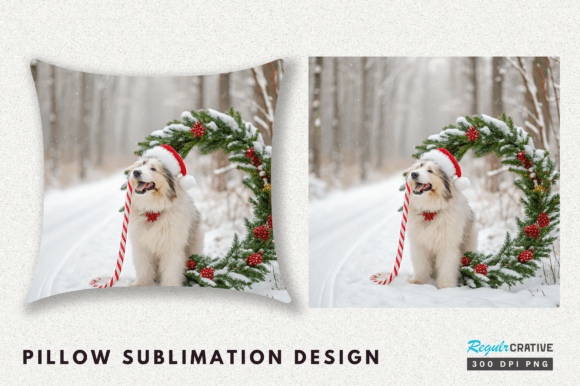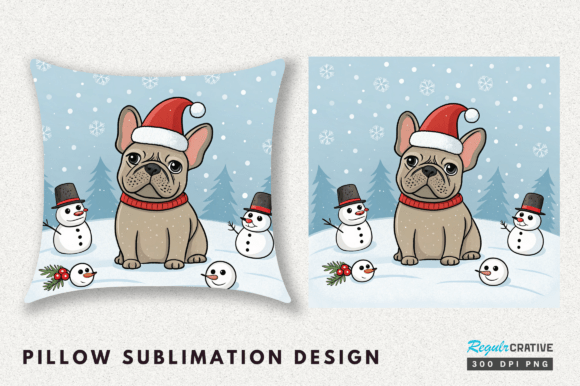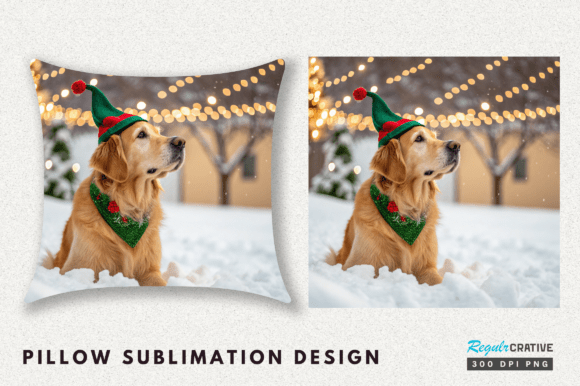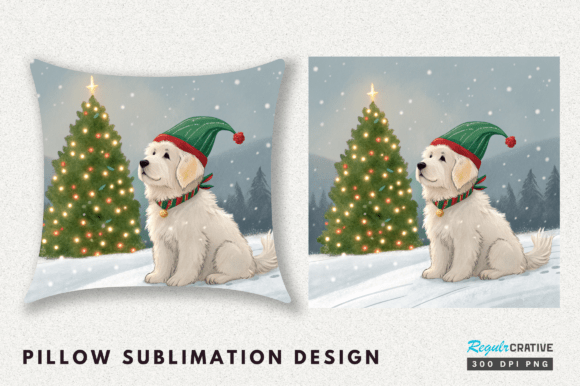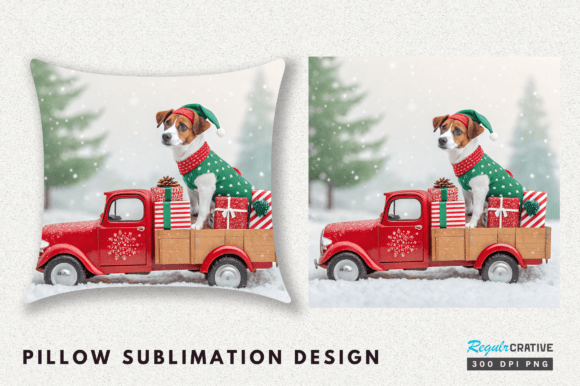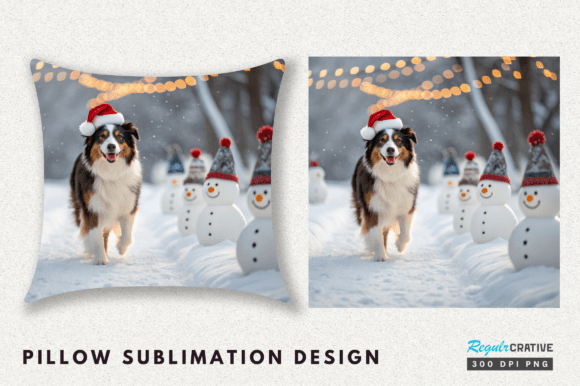
Christmas Dog Pillow: Festive Australian Design Review
When I first opened the Christmas Dog Pillow, Festive Australian embroidery file, I was curious how a design named after a pillow would translate onto apparel and gifts. As someone who stitches samples for my own shop and tests designs before recommending them to clients, I have learned that a name can be misleading. A design called “pillow” often suggests a large, dense layout meant for home decor, but this one surprised me with its adaptability. Let me walk you through what I found after testing it on several fabric types and project formats.
First Impressions and Visual Personality
The Christmas Dog Pillow, Festive Australian carries a cheerful, approachable mood. The subject matter—a festive dog with Australian character—feels both seasonal and personal. The layout is balanced without being stiff, and the detail level sits at a comfortable middle ground: enough texture to feel custom, but not so many tiny elements that you lose clarity on knit fabrics. The shape is rounded and friendly, which makes it a natural fit for children’s apparel, holiday gifts, and whimsical home accents.
The visual personality leans toward warm and playful rather than formal or minimalist. This is the kind of design a customer picks when they want a gift that feels handmade and thoughtful, not mass-produced. If you sell on Etsy or at craft fairs, this design helps you offer something that stands out from generic holiday clip art. The Australian twist adds a niche appeal that can attract buyers looking for regionally inspired or unique festive imagery.
Where This Design Excels in Real Projects
After stitching the Christmas Dog Pillow, Festive Australian on several substrates, I found it performs best on stable, medium-weight fabrics. A structured tote bag made of cotton canvas showed the satin stitch edges cleanly, and the fill stitches laid flat without puckering. I also tested it on a quality sweatshirt—a 50-50 cotton-poly blend—and the design retained its shape after washing. The stitch density felt appropriate for that fabric weight, and the thread colors popped nicely against both heather grey and forest green backgrounds.
For custom apparel like t-shirts and sleeve t-shirts, this design works well when hooped with proper stabilizer. I used a tear-away stabilizer for the sweatshirt and a cut-away for a lightweight t-shirt. Both methods gave good results, though the cut-away helped the design hold up better on the thinner fabric. If you are making embroidered patches, the design’s contours stitch out cleanly enough to trim close to the edge. I can see it becoming a popular option for patch collectors who want something festive but not overly traditional.
This design also suits baby embroidery projects—think onesies, bibs, or small blankets—as long as you scale it appropriately. The rounded shapes and friendly expression appeal to parents shopping for holiday baby gifts. For pillow covers and kitchen towels, the design holds up well because it does not rely on ultra-fine lines that might distort on textured linen or loose-weave fabrics. I stitched it onto a linen blend pillow cover and the result looked like a premium boutique product rather than a quick craft project.
Considerations for Small Hoops and Delicate Fabrics
I always test designs on scrap fabric before committing to a finished product, and the Christmas Dog Pillow, Festive Australian reminded me why that step matters. In a smaller hoop size, some of the detail elements—especially around the dog’s face and any ornamental accents—start to crowd. If you plan to stitch this on a baby onesie or a cap, I recommend checking the file at your intended size first. Open a printable mockup or do a test run on a piece of muslin to verify that the eyes, nose, and any text remain legible.
On stretchy fabrics like ribbed knit or thin jersey, the fill stitches can pull if the stabilizer is not firm enough. I used a medium-weight cut-away stabilizer with light tack spray, and the design stayed true. Skipping stabilizer or using a tear-away alone on stretch fabric will likely cause distortion around the satin stitch areas. For dark fabric, choose thread colors that offer enough contrast. The design includes some mid-tone elements that could blend into a black or navy background if you do not adjust the palette. I recommend testing a black and white printout of the design to see which areas might disappear on a dark substrate.
If you are stitching onto curved surfaces like caps, the design’s width may need scaling. The rounded layout helps, but I would not attempt a full-size version on a cap front without reducing the design by at least 15 percent. Cap frames add tension, and wide designs can shift during stitching. For layered garments like jacket backs or aprons, the design works well because the stitch density is moderate enough to avoid excessive stiffness.
Visual Appeal and Customer Perception
When a customer receives a handmade product featuring the Christmas Dog Pillow, Festive Australian, the first thing they notice is the clarity of the stitching. Clean satin stitch outlines and well-placed fill stitches create a polished look that raises perceived value. I have found that designs with this level of detail consistently receive higher engagement in my Etsy listings compared to simpler holiday motifs. Buyers appreciate that it does not look like a generic stock embroidery file.
From a craft business perspective, this design helps you build a cohesive holiday collection. Pair it with complementary motifs like snowflakes or simple text to create a line of products. The festive Australian theme also gives you a talking point in product descriptions—customers often enjoy knowing there is a story behind the design. For giftability, the design works on both children’s and adults’ items, which broadens your audience. I have seen similar designs sell well as personalized gifts for pet lovers, especially when paired with a name or a date in the hoop.
The design also holds its own in commercial embroidery settings. If you run a small shop producing custom apparel for local businesses or events, this design can be a seasonal bestseller. Its moderate stitch count keeps production time reasonable, and the visual appeal translates well to printable mockups for online previews. I used a simple digital mockup to show the design on a tote bag, and the listing received more saves than comparable holiday designs in my shop.
Practical Embroidery Designer Notes
Before you stitch the Christmas Dog Pillow, Festive Australian on a client project or for your own inventory, take these steps:
- Test on scrap fabric first. Use the same fabric type you plan to use for the final product. Check how the satin stitch behaves on that specific weave.
- Review thread color contrast. Hold your chosen thread colors against the fabric. If any element feels too similar to the background, swap that thread for a lighter or darker shade.
- Check stitch density. If the design feels overly dense when you load it into your software, consider reducing the density slightly or using a lighter fill stitch. This is especially important for delicate fabrics.
- Confirm hoop size. Make sure the design fits comfortably in your hoop with at least a half-inch margin on all sides. Crowding the hoop increases the risk of shifting.
- Examine small details. Zoom into the file and look at areas like eyes, nose, and any text. If those details are smaller than 4mm, they may not stitch cleanly on textured fabric.
- Test in black and white. Print the design in grayscale to see which areas lack contrast. This helps you anticipate issues before you thread the machine.
- Use proper stabilizer. For stable fabrics, a tear-away may suffice. For stretchy or loose-weave fabrics, use a cut-away stabilizer to maintain shape.
- Check licensing. Before selling finished products or digital files, confirm that your license allows commercial use. Some embroidery files restrict sale of the digital design itself, even if you are allowed to sell the stitched item.
Final Thoughts for Designers and Small Shop Owners
The Christmas Dog Pillow, Festive Australian is a solid addition to any holiday embroidery lineup. It offers versatility across custom apparel, home decor, and personalized gifts without demanding excessive production time. The design leans into a niche theme that helps your products feel distinctive, and the stitch quality supports a professional finish that customers trust.
If you are an Etsy seller or a small shop owner looking to expand your holiday offerings, this design deserves a test run. It works for sweatshirt embroidery, tote bag design, baby embroidery, and even embroidered patches. Pay attention to hoop size and fabric choice, and you will end up with a product that feels both festive and handcrafted. That combination is exactly what keeps buyers coming back to independent makers.
For digital product sellers and creative entrepreneurs, this design also serves as a strong design asset for mockups and previews. It photographs well and reads clearly on screen, which helps with printable mockups and listing images. As with any machine embroidery design, your results will depend on your preparation, but the Christmas Dog Pillow, Festive Australian gives you a foundation that is worth the hoop time.
Whether you are stitching for a client, building inventory for a craft fair, or creating a one-of-a-kind handmade product for a family member, this design holds up under real use. Test it, adjust where needed, and let the festive Australian character do the rest.