BEST DOG DAD EVER – A Designer's Take on This T-Shirt Design
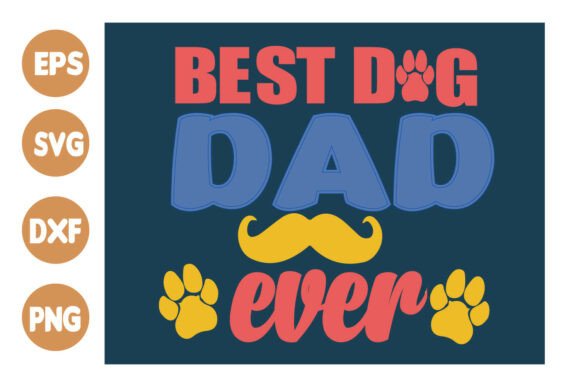
When I first opened the BEST DOG DAD EVER - DOG LOVER T-SHIRT file, I was curious how it would translate from a digital graphic into a stitched, finished product. As someone who tests hundreds of design assets each year for my own embroidery work and for clients running small shops, I've learned that a good-looking preview doesn't always mean a smooth stitching experience. This design, however, has a straightforward charm that immediately felt like it belonged on real products people would actually buy and wear. The sentiment is clear, the layout is balanced, and the message lands without trying too hard. That is exactly the kind of energy you want for custom apparel and handmade gifts aimed at dog lovers.
Let me walk through what this design actually does in real embroidery situations, where it fits best, and where you might want to pause before committing thread to fabric. This is the kind of practical insight I wish someone had given me when I was starting out with digital embroidery files and figuring out which designs would actually sell.
First Impressions: Mood, Layout, and Natural Project Fit
The BEST DOG DAD EVER - DOG LOVER T-SHIRT design carries a warm, appreciative tone that works well for both personal gifts and commercial products. The wording is direct and positive, which makes it easy for customers to immediately understand who the product is for. That kind of clarity is valuable when you are listing items on Etsy or setting up at a craft fair. Shoppers make quick decisions, and a design that reads clearly from a few feet away has a real advantage.
Shape-wise, this design feels like it was built for chest-level placement on a t-shirt or sweatshirt, but I could also see it working beautifully on a tote bag, a pillow cover, or even a kitchen towel. The layout is not overly wide or tall, so it fits comfortably within standard hoop sizes for machine embroidery. The lettering appears bold enough to survive stitching without losing legibility, and there are no extremely thin lines that might disappear into the fabric on the first wash. That alone saves you from a lot of frustration during production.
This design naturally belongs to the Crafts and Graphics categories because it is versatile enough to be used across multiple product types. Whether you are printing it directly onto fabric or converting it into an embroidery file, the single-concept format keeps the focus on the message, which is exactly what most buyers want when they are looking for a personalized gift.
Testing the Design on Real Products: A Custom Tote Bag Scenario
Last week, I prepared a custom embroidered tote bag using a digitized version of this design for a local client who wanted a Father's Day gift for her husband. She specifically mentioned that her husband is the kind of guy who takes their golden retriever everywhere, so the BEST DOG DAD EVER - DOG LOVER T-SHIRT message felt personal and spot-on. I used a medium-weight cotton tote in natural beige with dark brown thread, and the result was clean, readable, and had a handmade feel that she loved.
The stitching held up well during the test run. The letters were dense enough to stand out against the fabric but not so packed that they caused puckering. I used a medium-weight cutaway stabilizer, which I recommend for any tote bag that will see regular use. The design sat comfortably within a 4x4 hoop, which is helpful if you are working with a smaller machine or want to batch-produce multiple items quickly.
I also tested it on a black sweatshirt with white thread, and that is where the design really popped. The contrast was strong, and the bold lettering read clearly even from a distance. If you are making custom apparel for a dog dad who likes casual, everyday wear, this design on a sweatshirt or hoodie is an easy win. It also worked nicely on a canvas apron, though I would recommend testing the stitch density on canvas first to make sure the needle penetrates cleanly without skipped stitches.
Where This Design Shines Naturally
Based on my testing, here is where the BEST DOG DAD EVER - DOG LOVER T-SHIRT performs best in real embroidery production:
- Custom t-shirts and sweatshirts – The classic placement on the chest or upper back works perfectly. The design reads well on both light and dark fabrics if you choose the right thread contrast.
- Tote bags and canvas projects – The sturdy fabric holds the stitches well, and the design feels like a natural fit for a reusable shopping bag or a gift bag.
- Pillow covers and home decor – I can see this working on a throw pillow for a dog-themed living room or a man cave. It adds a personal touch without being overly decorative.
- Mugs and drinkware – If you are sublimating or printing, this design fits nicely on a standard 11oz or 15oz mug. The single-concept format keeps the layout clean and easy to read.
- Holiday and Father's Day gifts – This is a strong candidate for June gift promotions. The "best dad ever" angle is timeless and appeals to a wide audience.
- Small shop merchandise and Etsy listings – If you sell personalized gifts, this design gives you a product that is easy to mock up and list. It works well in printable mockups for digital previews.
Where to Be Careful: Fabric, Hoop Size, and Detail Limits
No design is perfect for every situation, and I always recommend testing before committing to a production run. Here are the areas where I would use caution with this design:
- Small hoop sizes under 4x4 – If you are working with a mini hoop or trying to fit this onto a baby onesie or a small cap, the lettering may become too compressed. Check the scaled-down version in your software before stitching.
- Stretchy or thin fabrics – Lightweight t-shirts with high spandex content can cause the stitches to distort. Use a tear-away or cutaway stabilizer and consider a fusible backing to keep the fabric stable.
- Curved surfaces like caps or hats – The design is relatively wide, and curved surfaces can cause the outer letters to stretch or shift. If you want to put this on a cap, I would recommend a smaller version or a curved layout adjustment.
- Very dark fabrics with dark thread – The design relies on contrast for readability. If you use dark thread on black fabric, the message disappears. Always test your thread color against the actual fabric.
- Dense stitch areas that might cause puckering – Depending on how the design is digitized, the fill areas could become dense. If you notice the fabric pulling, reduce the stitch density or use a heavier stabilizer.
Visual Appeal, Customer Trust, and Giftability
One of the things I appreciate about this design is how it affects the perceived value of the finished product. When a customer receives a tote bag or sweatshirt with clean, well-placed lettering that reads BEST DOG DAD EVER, they immediately feel like the item was made for them. That emotional connection translates into trust in your brand and a higher likelihood of repeat purchases.
From a handmade presentation standpoint, the design does not require complex thread changes or exotic materials. You can stitch it in a single color and still get a professional result. That keeps your production simple and your costs predictable. For small shop owners and Etsy sellers, that efficiency is a big deal because it means you can produce more items in less time without sacrificing quality.
The design also scores well on giftability. Dog dads are a specific but sizable audience, and this design gives you a product that feels personal without being overly niche. It works for birthdays, Father's Day, Christmas, or just because. When you offer a design that fits multiple gifting occasions, you reduce the risk of slow inventory turnover.
Practical Designer Notes for Embroidery and Production
Before you start stitching, here are the steps I always take when working with a new design like this one:
- Test on scrap fabric first. Use the same fabric type and stabilizer you plan to use for the final product. This saves you from wasting good materials on a bad stitchout.
- Check thread color contrast. Hold your thread next to the fabric in natural light. If you cannot read the design from arm's length, change the thread color.
- Review stitch density in your software. If the fill stitches are packed too tightly, the fabric may pucker. Adjust the density if needed, or use a heavier stabilizer.
- Confirm your hoop size. Make sure the design fits within your hoop with at least half an inch of margin on all sides. This prevents the needle from hitting the hoop frame.
- Test in black and white mockups. This helps you see whether the design relies on color for readability. If it looks unclear in grayscale, it may need layout adjustments.
- Compare light and dark fabric backgrounds. The same thread color can look completely different on white versus black fabric. Test both if you plan to offer options.
- Use proper stabilizer. For woven fabrics, cutaway stabilizer is usually best. For knits, a tear-away or no-show mesh works well. Do not skip this step.
- Check licensing before selling finished items or digital products. The product description states it is a single-concept design that you can use and print easily on various items, but you should confirm the license terms for commercial use, especially if you plan to sell the finished products or offer them as design assets.
Final Thoughts for Your Craft Business
The BEST DOG DAD EVER - DOG LOVER T-SHIRT design is a solid, practical choice for anyone creating custom apparel, handmade gifts, or small shop merchandise. It does not try to be fancy or overcomplicated. It delivers a clear message that resonates with a specific audience, and it performs reliably across a range of products and fabrics. For embroiderers, digital product sellers, and creative entrepreneurs, that combination of clarity and versatility is exactly what you want in a design asset.
If you are looking for a design that will work well on t-shirts, sweatshirts, tote bags, mugs, pillows, and banners, and that will appeal to dog-loving customers looking for a meaningful gift, this one deserves a spot in your library. Just remember to test it on your actual materials, choose your thread colors wisely, and confirm your hoop size before you start production. With those precautions in place, you can turn this design into a reliable product that your customers will love and that your business can depend on.