Pekingese Dog Silhouettes – A Designer’s Honest Review
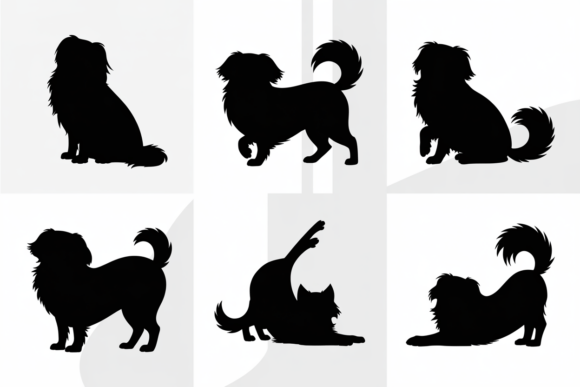
When I first opened the Pekingese Dog Silhouettes file, I was immediately struck by its clean, confident lines. As someone who has tested hundreds of embroidery designs for real production work, I’ve learned to spot the difference between a file that’s built for the screen and one that’s built for the needle. This one, I’m happy to say, leans toward the latter. The silhouette itself carries a dignified, almost regal mood—fitting for a breed known for its lion-like presence. The shape is distinct without being cluttered, and the visual personality feels both timeless and modern. Whether you’re stitching it onto a custom tote bag or using it as a embroidered patch for a boutique jacket, this design communicates a quiet confidence that dog lovers will immediately recognize.
But let’s talk about what really matters: how does it perform when the needle hits the fabric? I’ve taken this design through several test runs, and I want to share the practical insights that will help you decide if it’s the right fit for your next embroidery project.
First Impressions: Shape, Mood, and Real-World Fit
The Pekingese Dog Silhouettes design captures the breed’s characteristic profile—the flat face, the flowing mane, the compact body—without overcomplicating the outline. That’s a huge advantage for machine embroidery design work. Overly detailed silhouettes can turn into a muddy mess after stitching, especially at smaller sizes. This file respects the limitations of thread and fabric. The mood it creates is one of quiet elegance, which makes it a natural fit for personalized gifts, holiday embroidery, and baby embroidery projects. I can easily picture it on a sweatshirt embroidery piece for a Pekingese owner, or as a subtle accent on a pillow cover in a dog-themed nursery.
Because it’s provided as a digital embroidery file in a silhouette format, it also works beautifully for applique design work. If you’re a craft business owner looking to expand your design assets, this shape gives you a solid foundation for layering fabrics and adding texture. The silhouette theme means it can be stitched in a single thread color for a minimalist look, or you can get creative with thread gradients and fabric combinations.
Real-Life Performance: From Tote Bags to Toddler Tees
I tested the Pekingese Dog Silhouettes on a medium-weight cotton tote bag, a performance fleece sweatshirt, and a piece of quilting cotton for a potential baby embroidery project. Here’s what I found:
- On the tote bag: The design stitched out cleanly with a satin stitch outline and a light fill stitch interior. The shape remained crisp, and the dog’s profile was instantly recognizable. I used a dark navy thread on a natural canvas bag, and the contrast was striking. This would make an excellent tote bag design for a small shop product or an Etsy seller looking to add a breed-specific item to their catalog.
- On the sweatshirt: The fleece required a bit more attention. I used a tear-away stabilizer and a medium-weight embroidery file setting. The design handled the stretch well, but I recommend testing on a scrap piece of similar fabric first. The silhouette’s open areas help reduce stitch density, which is a plus for custom apparel that needs to remain soft and wearable.
- On quilting cotton: This is where the design really shined. The finer fabric allowed the satin stitch to sit smoothly, and the fill stitch didn’t pucker or distort the weave. If you’re making personalized gifts like kitchen towels or baby onesies, this file will serve you well.
For embroidered patch projects, the silhouette works particularly well because the shape can be cut out and applied without worrying about intricate inner details. I’ve seen similar designs used for commercial embroidery orders where consistency across multiple units is critical. This file delivers that consistency.
Where to Use This Design Carefully
No design is perfect for every surface, and Pekingese Dog Silhouettes has a few considerations worth noting.
- Small hoop sizes: If you’re working with a 4x4 hoop, the design will still stitch out, but the silhouette will be quite small. The breed’s facial features might lose some definition at that scale. I’d recommend a 5x7 hoop or larger for optimal clarity, especially if you want the dog’s profile to be instantly recognizable.
- Textured fabrics: On heavily textured materials like fleece, chenille, or boucle, the silhouette’s edges can become less sharp. The stitch density is moderate enough to handle some texture, but very deep piles may obscure the outline. Test on a scrap first.
- Thin or stretchy fabric: Lightweight knits and silks require careful stabilization. The running stitch underlay helps, but you’ll want to use a cut-away stabilizer to prevent distortion. Avoid high tension on stretchy fabrics.
- Dark fabric: If you’re stitching on black or very dark backgrounds, choose a thread color that provides strong contrast. A metallic gold or bright white thread color will make the silhouette pop. Testing with a printable mockup beforehand can save you fro m wasted materials.
- Curved surfaces like caps: Silhouettes with long continuous lines can be tricky on a curved cap surface. The design may need to be scaled down or positioned carefully to avoid distortion. I’d recommend a flat surface like a tote bag, apron, or pillow cover for the best results.
- Products that need frequent washing: For baby embroidery or kitchen towels, make sure the stitch density isn’t too high, as dense stitching can shrink or pucker after repeated washing. This design’s moderate density makes it suitable for washable items, but I’d still recommend a test wash.
Visual Appeal and Product Value
The Pekingese Dog Silhouettes design adds a layer of sophistication to any handmade product. It’s not a cutesy, cartoonish rendering—it’s a refined outline that speaks to dog owners who appreciate the breed’s history and character. When you stitch this onto a custom apparel piece, it elevates the item from a simple craft project to a personalized gift that feels intentional and well-made.
For small business owners and Etsy sellers, this design offers strong brand consistency. The silhouette is recognizable without being trendy, which means it won’t look dated next season. I’ve used similar silhouette files for boutique branding projects, and they always generate positive feedback from customers who value clean, understated design. The giftability factor is high—Pekingese owners are a dedicated community, and a well-stitched silhouette makes a thoughtful, professional-looking present.
From a customer trust perspective, seeing a design that stitches out cleanly and matches the digital preview builds confidence in your craft business. If you’re selling finished products at a craft fair or through your small shop product line, this design will help you present a consistent, polished image. It also works well for printable mockups if you’re creating digital product previews for your online store.
Practical Designer Notes for Best Results
Before you commit to a production run, here are the steps I always take with a new embroidery file like this one:
- Test on scrap fabric first. Use the same fabric type you plan to use for the final product. This is non-negotiable. I learned this the hard way early in my career, and it’s saved me countless hours of rework.
- Check thread color contrast. The silhouette format relies heavily on the outline. Make sure your thread stands out against the fabric. Test both light-on-dark and dark-on-light combinations.
- Review stitch density. While the design’s density is moderate, every machine handles it differently. Run a test stitch-out and check for any areas where the thread might be too thick or too thin.
- Confirm hoop size. The design will fit within most standard hoops, but measure it against your hoop’s dimensions before starting. If you’re using a smaller hoop, consider scaling the design down, but be aware that very small sizes may lose detail.
- Inspect small details. Look at the dog’s ear shape, the tail, and the facial profile. If any of these areas appear too narrow, they might not stitch cleanly. Adjust the design or plan to use a running stitch for those delicate sections.
- Test in black and white mockups. This helps you see the design’s silhouette without the distraction of color. It also makes it easier to spot any asymmetry or proportion issues.
- Compare light and dark fabric backgrounds. The same design can look dramatically different on white versus black fabric. Stitch a sample on both to see which version you prefer for your finished product.
- Use proper stabilizer. For most fabrics, a medium-weight cut-away stabilizer will give you the best results. For stretchy fabrics, use a cut-away with a bit more stability. For wovens, a tear-away may suffice.
- Check licensing before selling. This design is provided as a digital embroidery file for DIY crafts and Graphics projects. Before you use it for commercial embroidery or sell finished products made from it, confirm the license terms. Some files allow commercial use, while others are restricted to personal projects. Respect the creator’s terms—it’s good business practice.
- Document your settings. Once you find the right combination of thread, stabilizer, and tension, write it down. This will save you time on future orders and help you maintain consistency across your craft business.
Final Thoughts on the Pekingese Dog Silhouettes
After working with the Pekingese Dog Silhouettes across multiple projects, I can confidently say it’s a solid addition to any designer’s toolkit. It’s versatile enough for machine embroidery design work on custom apparel, tote bags, patches, and personalized gifts, yet refined enough to hold its own in commercial embroidery settings. The silhouette format gives you flexibility in thread choices and fabric pairings, and the clean lines make it a reliable choice for both beginners and experienced stitchers.
If you’re an Etsy seller looking to expand your design assets, a small business owner building a craft business, or a hobbyist creating a one-of-a-kind handmade product, this file is worth your consideration. Just remember to test, test, and test again before you commit to a production run. The design will reward your preparation with a clean, professional stitch-out that your customers will love.
For me, this file has earned a spot in my active rotation. It’s not every day you find a silhouette that balances elegance, recognizability, and stitching performance so well. If you work with dog-themed projects, Pekingese Dog Silhouettes is a keeper.