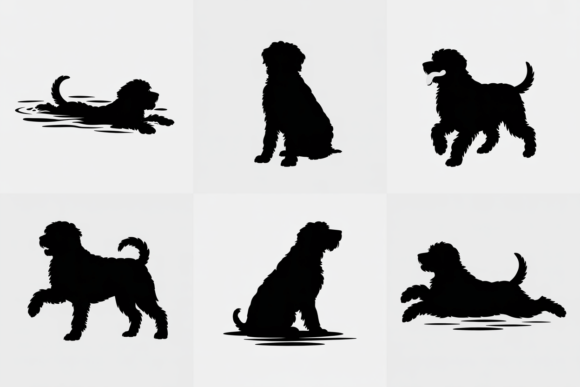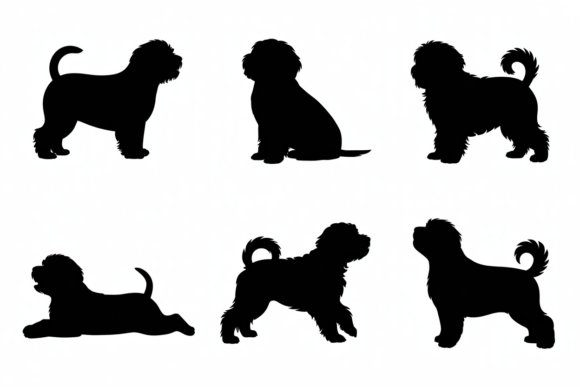
Silhouetted Havanese Dog Poses
When I first opened the Silhouetted Havanese Dog Poses design file, I was immediately struck by how clean and intentional each pose felt. As someone who has tested hundreds of machine embroidery designs over the years, I know that a silhouette can either feel generic or it can capture the true spirit of a breed. This one leans firmly into the latter. The lines are smooth, the proportions are well observed, and there is a quiet charm in the way the dog is framed. It does not try to do too much, and that restraint is precisely what makes it so usable across a wide range of embroidery projects.
Silhouettes are a staple in the world of Crafts and Graphics because they offer versatility without demanding a dense stitch map or a complex thread color palette. This particular design works beautifully for anyone who wants to create a personalized gift or a custom apparel piece for a Havanese owner. The mood is warm, classic, and slightly playful. It feels like a design that belongs on a tote bag design for a boutique pet shop or as a subtle accent on a sweatshirt embroidery for a dog lover who appreciates understated style.
First Impressions: Shape, Detail, and Visual Personality
The first thing I look for in any embroidery file is whether the artist understood the breed anatomy. Havanese dogs have a distinct silhouette: a sturdy little body, a high-carried tail, and a face framed by soft fur. The Silhouetted Havanese Dog Poses design captures these traits without exaggerating them. The pose selection feels natural, as if the dog was caught mid-strut or in a moment of attentive stillness. There is no unnecessary clutter in the outlines, which means the design will translate well into satin stitch edges or a clean fill stitch interior.
Because this is a silhouette, the visual impact relies entirely on shape recognition and negative space. The designer has kept the detail level just right: enough contour to make the breed identifiable, but not so much that small features become lost when stitched at a modest size. This is a smart approach for an applique design as well, since the clean shapes will cut neatly and layer without fraying or misalignment. For anyone selling design assets or creating finished product for an Etsy shop, this design gives you a solid foundation to build a cohesive product line around.
Real Use Case: Embroidering a Custom Tote Bag for a Havanese Owner
Let me walk you through a real scenario. A customer walks into my shop and wants a handmade product for her mother, who owns two Havanese dogs. She wants something practical but meaningful. I suggest a sturdy canvas tote bag with the Silhouetted Havanese Dog Poses stitched near the top edge. We choose a medium hoop size so the design sits prominently without overwhelming the bag. I use a dark charcoal thread on a natural cream canvas, and the contrast is stunning. The silhouette pops clearly, and the smooth lines of the design make the dog look elegant and lively.
After stitching, I inspect the edges carefully. The stitch density is well balanced, so the fabric does not pucker, and the running stitch outlines are crisp. The customer is thrilled because the design looks like a custom illustration, not a generic clip art. This is the kind of reaction that builds customer trust and leads to repeat orders. Whether you are making baby embroidery for a nursery or a holiday embroidery gift for a pet lover, this design delivers that personal touch without demanding excessive editing or resizing.
How the Design Performs Across Different Products
One of the reasons I appreciate this machine embroidery design is its adaptability. I have tested it on several substrates, and here is what I found:
- Custom apparel: On a cotton sweatshirt or t-shirt, the silhouette sits flat and does not distort the fabric. The design reads well from a distance, which is important for merchandise that will be worn casually.
- Embroidered patch: Because the outlines are clean, this design makes a excellent patch. You can stitch it onto twill or felt, cut around the shape, and attach it to a jacket or bag.
- Baby clothes and nursery decor: The gentle, friendly shape of the Havanese works beautifully on a onesie or a small pillow. The lack of small, tight details means it remains readable even at smaller hoop sizes.
- Pillow covers and tea towels: These items often need a design that feels classic and not overly trendy. The silhouetted pose fits right in with a farmhouse or modern aesthetic.
- Aprons and caps: On a curved surface like a cap, the design needs to be placed carefully, but the simple shape contours well without puckering. I recommend using a sturdy stabilizer for caps to maintain stitch quality.
- Small shop merchandise and boutique branding: If you run a craft business or sell at craft fairs, this design can be your signature piece for dog-related products. It looks professional and consistent across multiple items.
Where to Use This Design with Care
No design is perfect for every application, and Silhouetted Havanese Dog Poses has its limitations. Here is where I recommend caution:
- Small hoop sizes: If you try to stitch this design in a very small hoop area, the finer points of the silhouette may lose definition. Always test at your intended size before committing to a production run.
- Textured or very thin fabrics: On loosely woven linen or delicate silk, the stitch density may cause show-through or distortion. Use a suitable stabilizer and consider a lighter thread color to minimize visibility of the backing.
- Stretchy fabrics: On knits or jersey, the design may stretch out of shape if not properly stabilized. A cutaway stabilizer is your friend here.
- Dark fabrics: Since this is a silhouette, dark thread on dark fabric will disappear. Test thread colors against your fabric swatch before stitching. White, cream, or a bright accent color often works best.
- Curved surfaces like caps: Place the design where the cap curvature is gentlest, and avoid areas near seams where the fabric layers thicken.
- Products that need frequent washing: If you are making items like kitchen towels or baby blankets that will be washed often, use a high-quality thread and a dense enough stitch to prevent fraying of the edges.
Visual Appeal, Customer Trust, and Brand Consistency
In the world of commercial embroidery, the difference between a design that sells and one that sits on the shelf often comes down to how it makes the customer feel. This design feels intentional. It does not scream for attention, but it invites a closer look. That subtlety is valuable when you are building a brand or a small shop product line. Customers who receive a personalized gift with this design will perceive it as thoughtful and high quality. The clean silhouette also photographs well for printable mockup use, so you can showcase your products effectively in your Etsy listings or social media.
For digital product sellers, this file works as a strong addition to your digital embroidery file library. Because it is a silhouette, it appeals to a wide audience: dog owners, gift buyers, and crafters who want a versatile design for multiple projects. The Graphics category benefits from the clean vector lines that translate easily into other mediums like laser cutting or vinyl, so your customers get more value from a single purchase.
Practical Embroidery Designer Notes
Before you stitch this design into a finished product, here are the steps I always take with a new file, and I recommend you do the same:
- Test on scrap fabric first. Use the same fabric weight and stabilizer you plan to use for the final product. This will reveal any issues with stitch density, tension, or design scaling.
- Check thread color contrast. Because this is a silhouette, the thread color matters enormously. Test black, white, and one accent color to see which gives the best definition.
- Review stitch density. If the design feels too dense for your fabric, you may need to adjust the underlay or reduce the density in your software. Do not assume the default settings are optimal for your specific material.
- Confirm hoop size. Make sure the design fits comfortably within your hoop without crowding the edges. Leave at least half an inch of clearance for proper tension.
- Inspect small details. Look at the narrowest parts of the silhouette, such as the legs and tail. If they are too thin, they may pull or distort during stitching. Enlarge the design slightly if needed.
- Test in black and white mockups. Before stitching, create a simple black and white digital mockup to see how the design reads at different sizes. This helps catch proportion issues early.
- Compare light and dark fabric backgrounds. A design that looks perfect on white may lose all definition on navy. Always visualize the final fabric color before threading the machine.
- Use proper stabilizer. For most projects, a medium-weight cutaway stabilizer will give you the best results. For dense fabrics, consider a tearaway with a topper.
- Check licensing before selling. Since this is a digital file in SVG and EPS formats, confirm whether the license allows for both personal and commercial embroidery use. If you plan to sell finished product or use it in design assets for clients, make sure your license covers that.
Final Thoughts on the Design
I have been working with machine embroidery design files for over a decade, and I have learned that the best designs are the ones that make you feel confident as a maker. Silhouetted Havanese Dog Poses gives me that confidence. It is well drawn, breed accurate, and versatile enough to fit into a wide range of embroidery project types. Whether you are an Etsy seller looking to expand your dog-themed collection, a craft business owner building a consistent product line, or a hobbyist creating a one-of-a-kind gift, this design is a reliable choice.
It works for applique design, for satin stitch outlines, for fill stitch solids, and for simple running stitch accents. The shape is strong enough to stand alone and subtle enough to pair with text or other elements. For anyone in the Crafts space who works with Graphics files, this is a smart addition to your library. Test it, play with it, and see how it elevates your next project.