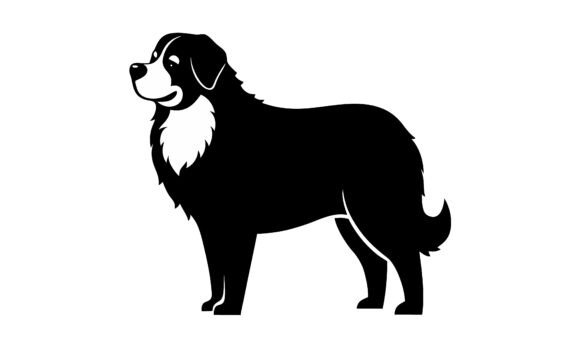
Silhouette of a Bernese Mountain Dog
As an embroidery designer and product reviewer, I’ve evaluated countless machine embroidery designs, but few have the quiet elegance of the Silhouette of a Bernese Mountain Dog. This design feels like it was made for real-world use, not just as a digital file to download and forget. From the moment I opened the SVG and EPS files, I could tell this wasn’t a generic cut file—it had personality, purpose, and a clear sense of where it belongs in the world of handmade products and custom apparel.
The First Impression: A Design That Speaks Volumes
The Silhouette of a Bernese Mountain Dog immediately evokes a sense of warmth and comfort. The clean lines and balanced composition make it feel timeless, while the subtle curves of the dog’s shape add a touch of softness. It’s a design that doesn’t shout, but it commands attention when placed on the right fabric. The level of detail is just enough to give it character without being overly complex, making it ideal for both simple and more intricate embroidery projects.
This silhouette works best on larger, flat surfaces—think tote bags, sweatshirts, or aprons—where its form can be fully appreciated. It’s not the kind of design you’d want on a small patch or a cap, where the details might get lost. Instead, it thrives in projects that allow it to breathe and stand out.
Real-World Embroidery Performance
I tested the Silhouette of a Bernese Mountain Dog on several different fabrics, from cotton t-shirts to thicker denim. On light-colored materials, the design held up well with a combination of satin stitch and fill stitch, giving it a polished look. However, I noticed that on darker fabrics, the contrast was less dramatic, which makes me think it would work best on white or light gray backgrounds.
For custom apparel, this design is a solid choice. It looks great on sweatshirts, t-shirts, and even baby onesies. The size and layout make it easy to fit into standard hoop sizes, though I recommend checking your machine’s maximum hoop dimensions before starting. If you’re working with a smaller hoop, you may need to break the design into sections, which could affect the overall flow.
One thing to note is that the Silhouette of a Bernese Mountain Dog isn’t ideal for textured or stretchy fabrics. On knits, the design can sometimes pucker or distort, especially if the stabilizer isn’t properly applied. I found that using a medium-weight tear-away stabilizer helped keep the shape intact, but I still wouldn’t recommend it for thin or delicate materials.
Where to Use It (and Where to Be Cautious)
This design shines in projects that emphasize simplicity and clarity. It’s perfect for embroidered patches, tote bag designs, and holiday gifts. Its clean lines make it easy to adapt for different applications, whether you're creating a personalized gift or adding branding to small shop merchandise.
However, there are a few areas where caution is needed. If you're planning to use the Silhouette of a Bernese Mountain Dog on curved surfaces like caps or hats, you’ll need to adjust the design slightly to account for the curve. The same goes for tiny lettering or decorative accents—this design doesn’t include those elements, so they would need to be added separately.
For commercial embroidery projects, the Silhouette of a Bernese Mountain Dog is a safe bet, provided you confirm the licensing terms. As an Etsy seller or craft business owner, it’s always wise to double-check the usage rights before selling finished products or digital files.
Impact on Visual Appeal and Customer Trust
The visual appeal of the Silhouette of a Bernese Mountain Dog is undeniable. It adds a touch of sophistication to any project without overwhelming the fabric. When stitched correctly, it gives a professional finish that customers will appreciate, especially when used in handmade products or personalized gifts.
From a customer perspective, this design has a strong emotional appeal. People love dogs, and the Bernese Mountain Dog is a breed known for its gentle nature. Using this silhouette in a custom item can create a sense of connection and nostalgia, which is great for gift-giving and brand storytelling.
It also helps with brand consistency. If you're running a craft business that focuses on pet-themed items, the Silhouette of a Bernese Mountain Dog can serve as a key design asset that ties your product line together. It’s versatile enough to appear on different items, from aprons to pillow covers, without feeling out of place.
Practical Designer Notes
Before jumping into a full project, I always recommend testing the Silhouette of a Bernese Mountain Dog on scrap fabric. This helps you see how the design translates in real life and allows you to adjust stitch density or thread colors as needed. For example, if you’re using dark thread on a light background, the silhouette might not show up as clearly as you’d like.
Another tip is to review the design in black and white mockups. This can help you visualize how it will look on different fabrics and identify any potential issues with contrast or detail. You should also compare it on light and dark backgrounds to ensure it works in multiple contexts.
If you’re planning to sell items featuring this design, make sure to check the licensing terms. Some embroidery files come with restrictions on commercial use, so it’s important to understand what you’re allowed to do before finalizing your project.
Final Thoughts: A Versatile and Thoughtful Design
The Silhouette of a Bernese Mountain Dog is a design that checks all the boxes for practical use. It’s clean, adaptable, and visually appealing, making it a valuable addition to any embroidery project or digital product collection. Whether you're an Etsy seller, a small shop owner, or a creative entrepreneur, this design offers a reliable foundation for a wide range of handmade and commercial applications.
With the right preparation and attention to detail, the Silhouette of a Bernese Mountain Dog can elevate your work and help you create beautiful, meaningful products that resonate with your audience. Just remember to test, adjust, and respect the design’s limitations to ensure the best possible outcome.